Vehicle development.
Vehicle development, testing and regulatory engineering.
A vehicle programme moves forward through successive decisions: defining an architecture, selecting a component, preparing a prototype, analysing a test or changing a design. Each decision affects the disciplines that follow.
SYNERIYA brings together project management, engineering and homologation expertise to support this work. We operate within the manufacturer’s teams or take responsibility for an agreed scope, from the first specifications to support for vehicles in production.
Working throughout the V-cycle
At the outset, we help define the need, markets, uses and technical and regulatory requirements. These inputs inform specifications for the vehicle, systems and components.
During development, our work addresses interfaces, design decisions and configurations requiring validation. At integration, test results are checked against the original requirements, with deviations and changes followed through to resolution.
Regulatory monitoring and reviews run throughout the cycle. They continue after the start of production as components, software, suppliers and regulations change. Development and homologation teams can therefore work from a shared understanding of the consequences for the vehicle.
Project management and technical coordination
We support programme definition, scheduling, budget follow-up and resource planning. The scope may be a vehicle, a model-range development or a technical work package.
Follow-up centres on milestones and issues to resolve with design offices, prototype teams, testing, homologation, purchasing, quality, manufacturing engineering and industrialisation. We prepare decisions from the available information and follow their implementation in the schedule and product definition.
This continuity is particularly useful for programmes with multiple variants, successive regulatory changes or market-specific versions. It continues during series production to address modifications, field issues and their industrial consequences.
Electrical architecture and system integration
We support the definition and integration of electrical architectures, power distribution, equipment interfaces and installation constraints within the vehicle.
For electrification projects, the assessment connects the powertrain, energy storage, auxiliary equipment and interfaces with the base vehicle. Voltage levels, protection, routing and operating conditions are reviewed with the relevant engineering disciplines.
Work with suppliers addresses the specifications, versions and documentation needed by the project. Changes to electronic equipment and software are followed with regard to their functional and regulatory implications, including R155 and R156 where applicable.
Mechanical design and vehicle integration
Integrating a system or item of equipment requires attention to the actual vehicle environment: packaging, mounting interfaces, masses, access and operating constraints.
We support studies and changes to the mechanical definition, preparation of drawings and the technical exchanges required to build prototypes. Design choices are examined alongside manufacturing, assembly, maintenance and homologation constraints.
For special-purpose vehicles and chassis conversions, added equipment is assessed in terms of its effects on the whole vehicle. Technical reviews bring together drawings, applicable requirements and the configurations that will actually be tested and produced.
Testing validation and calibration
We prepare validation plans, organise campaigns and follow the facilities and resources required. Testing may take place on benches, tracks or roads, depending on programme objectives and the resources available at the manufacturer and partner centres.
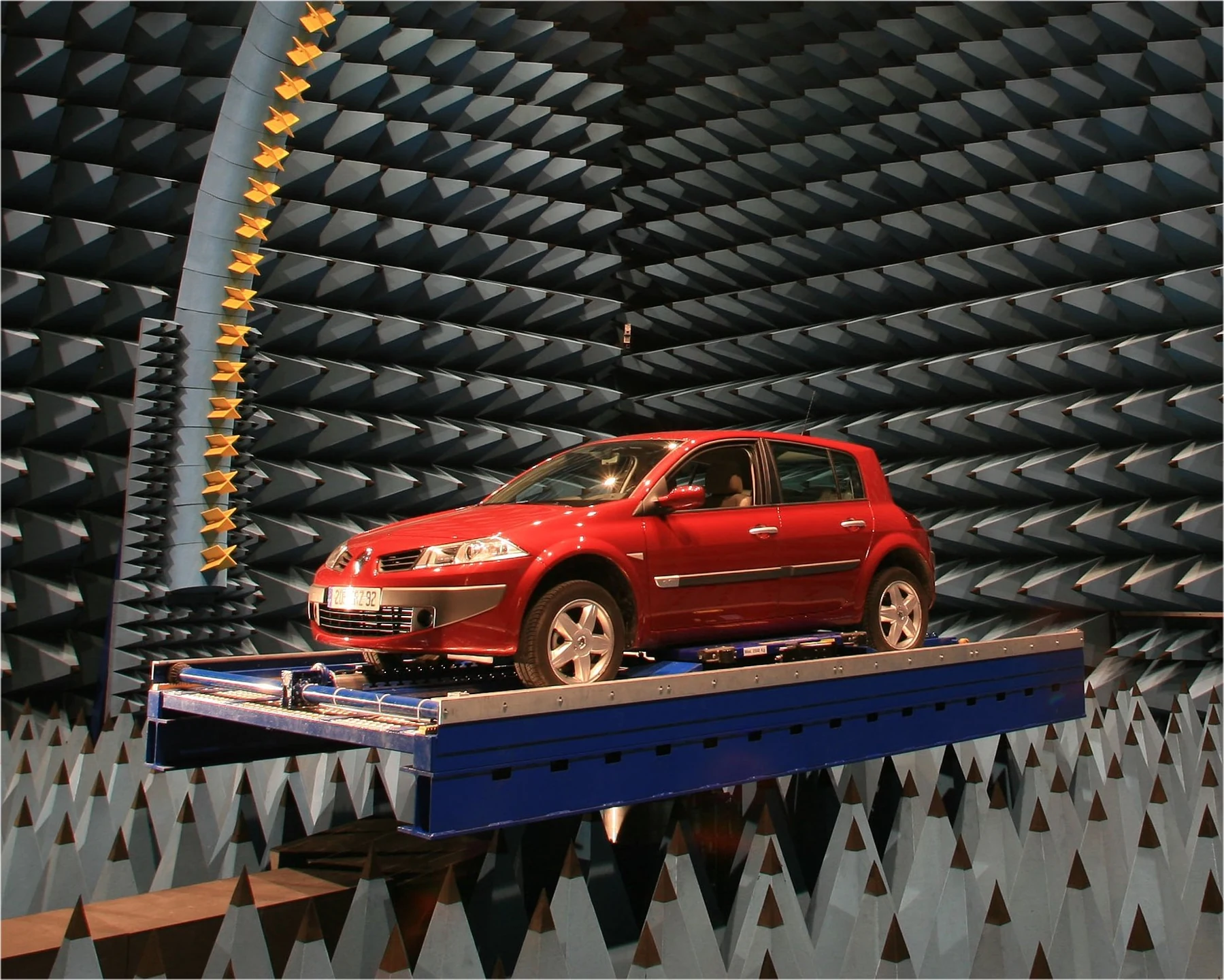
Our experience includes powertrain calibration, campaigns in demanding climates and at altitude, electromagnetic compatibility testing, and work on emissions, consumption and on-board diagnostics.
Analysis of results forms part of the assignment: preparing data, investigating deviations, comparing configurations and proposing additional tests. Measurement, calibration and processing tools used in our projects include ETAS INCA, CRETA, CONCERTO, MATLAB and VBA, according to the client’s environment.
Engineering validation addresses project objectives. Where a campaign contributes to regulatory documentation, the test conditions and required evidence are defined with the competent parties.
Regulation and homologation within the programme
Regulation affects design decisions, supplier selection, validation and market launch schedules. We carry out requirement reviews and impact assessments at these milestones.
Work may address an M, N or O approval strategy, a special-purpose vehicle file, a component change, a safety function, a software update or entry into a new market. Findings are connected to technical data and the actions required from each discipline.
The Homologation page details EU type approval and the French RCE, NKS, RI and RTI terminology, technical documentation, R155 and R156, and series-production support for COC, CNIT and COP.
Technical data tools and training
The quality of a technical file also depends on how its data is organised. We develop tools that fit the teams’ working methods to track requirements, revisions, configurations, documents and actions.
Databases, document templates and automated processing support preparation and long-term maintenance of the files. They help connect vehicle information, regulatory evidence and the data needed for production.
We support adoption of these tools and provide technical training suited to the assignment. Teams should be able to understand the method, locate the supporting information and continue the work as the programme develops.
An approach suited to the assignment
A focused expert review, an assignment within your teams and responsibility for a defined work package require different arrangements. We establish the scope by specifying the work, interfaces, deliverables and milestones.
Our offices and technical centre in Saintes allow us to combine engineering studies with work on vehicles as required. Campaigns needing specialist facilities are organised with the manufacturer’s sites and the relevant test centres.